ICOM IC-A25N Handheld NAV/COM Transceiver w/ Bluetooth – Open Box: Reliable NAV/COM Performance
ICOM IC-A25N Handheld NAV/COM Transceiver w/ Bluetooth – Open Box: Reliable NAV/COM Performance
Blog Article
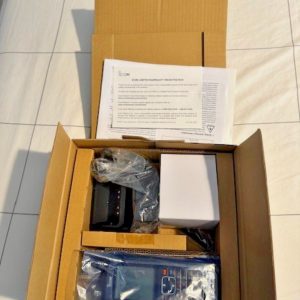
:::writingvariant="document" id="58314" ICOM IC-A25N Handheld NAV/COM Transceiver w/ Bluetooth – Open Box: Advanced Pilot Communication The ICOM IC-A25N Handheld NAV/COM Transceiver w/ Bluetooth – Open Box is designed for aviation users seeking a capable portable radio that can support communication and navigation-related operations. Choosing an open-box aviation radio may allow buyers to obtain advanced pilot equipment at a more accessible price than a comparable factory-sealed package. A dependable ICOM IC-A25N Handheld NAV can become an important part of a pilot’s flight bag by providing portable communication capability whenever installed aircraft equipment is unavailable. An ICOM IC-A25N Aviation Radio can support communication between pilots, air traffic services, flight instructors, ground personnel, and other aviation users where authorized. An ICOM IC-A25N Handheld Radio offers mobility that panel-mounted equipment cannot provide, allowing users to communicate from the aircraft, ramp, hangar, or operations area. The Handheld NAV/COM Aviation Transceiver format offers useful flexibility to pilots who want one compact tool for several operational requirements. Whether the device will function as a Handheld Aviation Radio, Aviation NAV/COM Radio, Pilot Handheld Radio, or Aircraft Communication Radio, users should become familiar with its controls before relying on it. The handheld format makes the unit relevant to buyers comparing Emergency Aviation Radio, Backup Aircraft Radio, ICOM Pilot Radio, and portable navigation communication equipment.
Understanding the ICOM IC-A25N Handheld NAV/COM Transceiver
The radio’s portable construction allows it to support aircraft operations before departure, during flight, after landing, or while personnel are working around the airport. Its practical value comes from combining mobility, recognizable controls, aviation-focused operation, rechargeable power, and multiple communication or navigation functions. Users should understand that portable-radio coverage can differ from panel-mounted equipment connected to an external aircraft antenna. Familiarity transforms a portable radio from stored equipment into a practical and dependable operational resource.ICOM IC-A25N Handheld NAV Applications
The ICOM IC-A25N Handheld NAV can support pilots who want portable access to aviation communication and navigation information during flight preparation or cockpit operations. Private pilots may carry the device during cross-country flights, aircraft repositioning, fly-ins, or travel in rented airplanes. Navigation features should support rather than replace required pilot preparation, approved navigation equipment, current charts, and appropriate operational judgment. Organized cockpit placement improves access while protecting the radio from impact, movement, moisture, and accidental activation.ICOM IC-A25N Aviation Radio Applications
The radio may be useful to pilots operating aircraft with limited avionics, temporary communication problems, or different cockpit configurations. Flight instructors can use the device as supplemental equipment during ground lessons, aircraft walkarounds, and selected training exercises. A complete written inventory helps purchasers compare the open-box price with the cost of replacing missing accessories separately. A functional demonstration can confirm that the radio powers on, accepts charging, responds to controls, displays information, produces audio, and recognizes included equipment.Portable Benefits of the ICOM IC-A25N Handheld Radio
Portable operation can be valuable to users who fly several airplane types or who do not control the installed equipment available in every cockpit. The antenna should be protected from bending or crushing while the radio is transported with other equipment. Preflight preparation may include charging, accessory inspection, Bluetooth pairing, memory review, antenna attachment, and volume adjustment. The radio should be removed from environments where condensation, fuel, oil, cleaning products, or maintenance debris may cause damage.Handheld NAV/COM Aviation Transceiver Applications
A feature-rich handheld transceiver can provide practical support while remaining compact enough for regular flight-bag use. Buyers should compare interface design, battery options, charging arrangements, antenna quality, accessory availability, display readability, audio performance, and operational needs. A brief function check can identify weak battery performance, loose accessories, damaged connectors, or configuration problems before departure. After use, the device should be cleaned gently, charged as appropriate, disconnected from unnecessary accessories, and returned to protected storage.Handheld Aviation Radio Applications
Handheld radios provide communication flexibility where panel equipment is unavailable, temporarily unpowered, difficult to access, or assigned to another aircraft. Regular practice and maintenance turn a handheld device into meaningful backup equipment rather than an unverified accessory. The operating manual and applicable aviation procedures should guide setup and use. Professional radio discipline includes listening carefully, transmitting clearly, using appropriate terminology, and keeping messages relevant.Using an Aviation NAV/COM Radio
A NAV/COM radio may support pilots who need backup communication while also valuing navigation-oriented information and operating flexibility. Important features should be practiced on the ground before the radio is used during high-workload phases of flight. Users should distinguish between convenience features, backup capability, training value, and equipment required for a particular flight. Before departure, pilots should confirm that the radio is charged, correctly configured, securely stored, and easy to reach.Pilot Handheld Radio for Flight Operations
A Pilot Handheld Radio can provide useful communication redundancy during cross-country flights, aircraft delivery, rental operations, training, and travel to unfamiliar airports. Good cockpit organization reduces workload and prevents backup equipment from becoming difficult to reach when needed. Pilots can include the handheld in periodic proficiency exercises without making unauthorized or unnecessary transmissions. Pilots may consider carrying an appropriate backup power option when supported by the equipment and mission requirements.Aircraft Communication Radio Applications
An aircraft communication device can support maintenance coordination, ground handling, training activities, and operational monitoring where appropriate. Headset and Bluetooth accessories should be tested for microphone quality and audio clarity before operational use. Users should establish realistic expectations by testing the radio in normal conditions rather than assuming identical range to panel equipment. Qualified repair or manufacturer-supported service may be appropriate for electronic problems that cannot be corrected through normal setup.Using a Portable Aviation Transceiver
Portability is valuable when users need one radio across several airplanes, buildings, vehicles, or operational locations. A portable unit is easier to transport than installed avionics, but it also requires careful management of batteries, antennas, chargers, cables, and accessories. A wired backup arrangement may remain useful when Bluetooth accessories lose charge, disconnect, or experience interference. The radio should remain usable even when a paired device is unavailable or the Bluetooth connection cannot be restored.Aviation Communication Device for Professional Use
Pilots should select communication equipment according to mission requirements, aircraft type, operating area, training needs, and backup planning. Transparent condition information allows the purchaser to judge whether the price reflects the package accurately. Users should report intermittent operation, damaged accessories, weak batteries, charging concerns, or missing components promptly. A well-managed Aviation Communication Device can support efficient and dependable operations across many aviation roles.Maintaining a Handheld Aircraft Radio
The device may also support pilots at airports where communication must begin before the aircraft electrical system is activated. Portable operation can improve flexibility at remote airfields or maintenance locations with read more limited infrastructure. Cockpit use requires secure storage and careful cable management so the radio does not interfere with flight controls, doors, seat adjustment, or emergency movement. The radio should be cleaned only with suitable methods that do not damage the display, housing, seals, labels, or controls.Aviation Navigation Radio Applications
The IC-A25N may appeal to pilots who want more than communication capability from their handheld flight-bag radio. Competent use comes from practice, realistic expectations, and integration with established navigation procedures. Portable functions are most useful when they complement rather than replace disciplined aviation decision-making. Regular checks should confirm that stored information, settings, battery status, and display performance remain suitable for use.ICOM Pilot Radio Applications
An ICOM handheld can become a standard part of a flight bag for pilots who regularly operate rented, shared, or personally owned aircraft. An open-box unit may have excellent value, but the buyer should verify the package rather than relying solely on the model name. Businesses may value durability, accessory replacement, consistent training, and the ability to assign one radio across several users. Responsible ownership allows an ICOM Pilot Radio to remain a useful communication and navigation resource for many aviation activities.Using an Emergency Aviation Radio
Emergency value depends on the radio being charged, accessible, configured, and familiar to the pilot before a problem occurs. A written quick-reference guide may help, but it should remain simple enough to use without creating distraction. The pilot should know how to operate the radio directly if a paired headset or wireless accessory fails. Any missing charger, antenna, adapter, cable, or battery concern should be corrected before the radio is relied upon.Using a Backup Aircraft Radio
Backup equipment can be particularly valuable during cross-country operations, aircraft delivery, training, rental flying, or travel in older aircraft. The radio should be included in preflight equipment checks appropriate to the planned operation. The pilot should determine whether the radio will be operated through its built-in audio, Bluetooth accessory, or wired headset connection. Aviate, navigate, and communicate priorities remain essential whenever communication equipment problems occur.Evaluating an Open-Box Aviation Radio
Buyers should review the radio body for scratches, cracks, missing labels, damaged controls, loose components, or wear around frequently handled areas. Buyers should ask whether the radio was displayed, returned, tested, paired, charged, transmitted with, or previously registered. Battery behavior should be observed for unusual heat, rapid discharge, charging failure, physical swelling, or poor connection. A professional purchasing process protects both parties and supports a fair evaluation of the open-box aviation transceiver.Maintenance and Long-Term Radio Care
Long-term reliability depends on battery care, protected storage, correct charging, careful antenna handling, clean connectors, updated familiarity, and prompt attention to operating concerns. Occasional-use radios should still receive periodic checks because batteries and electronic components can deteriorate during inactivity.- Review the complete package and remove the radio from backup service if physical or electronic condition is uncertain.
- Test the complete communication setup in an appropriate manner and understand how to use the radio without Bluetooth if needed.
- Protect the equipment from extreme temperature, direct sunlight, moisture, fuel, oil, cleaning chemicals, heavy tools, and accidental impact.